

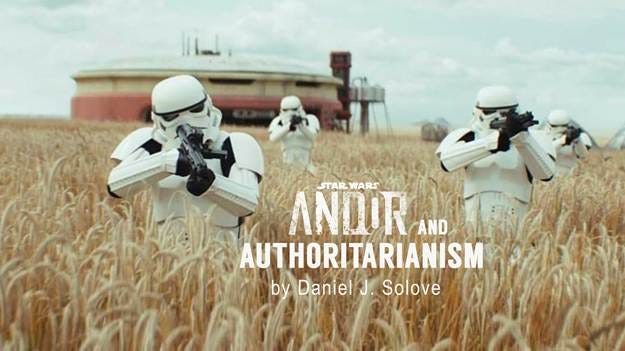
The TV series Andor (2022-2025) is one of the very best depictions of the dimensions of an authoritarian regime and those who resist it. The series is one of my all-time favorites—it is phenomenal in everything, from writing to acting to cinematography.
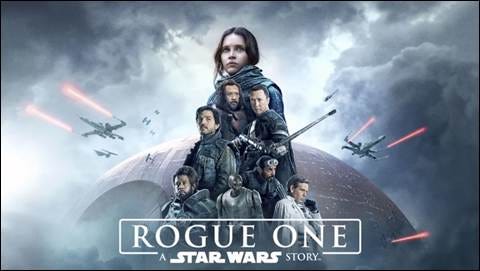
Andor chronicles the beginnings of the rebellion against the Empire prior to the movie Star Wars Episode IV (1977). It is a prequel to the prequel movie, Rogue I: A Star Wars Story (2016).
Created by Tony Gilroy, the series focuses on the life of rebel spy Cassian Andor (Deigo Luna) and others in the rebellion as well as some figures working for the Empire.
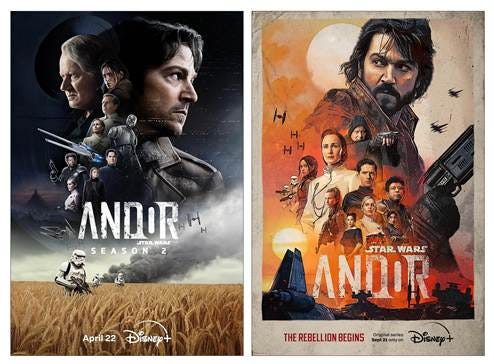
It is surprising to find such an outstanding work of art in the Star Wars universe, let alone by Disney, which has been pumping out soulless material with nothing to say, just an endless series of attempts to make money from the fumes of the original movies.
Andor has something to say. It transcends Star Wars and also returns it to its roots, as a story about resistance to authoritarianism. It i hands down the best creation in the Star Wars universe since The Empire Strikes Back. And, in many ways, it surpasses the originals in the depth of its writing and the seriousness and rigor in which it explores its themes. It is Star Wars without the silliness, and well worth a watch even if you don’t like anything made in the Star Wars universe since the original trilogy . . . and even if you’re not fond of those movies.
The series explores many themes involving privacy in authoritarian societies, including oppressive surveillance and control, disinformation and lies, and the dehumanization of bureaucracy.
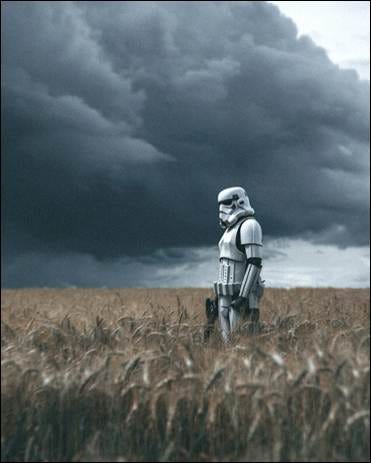
Superbly written and acted, the show is one of the most sophisticated explorations of the oppressiveness of authoritarianism as well as of the sacrifices of those who rebel.
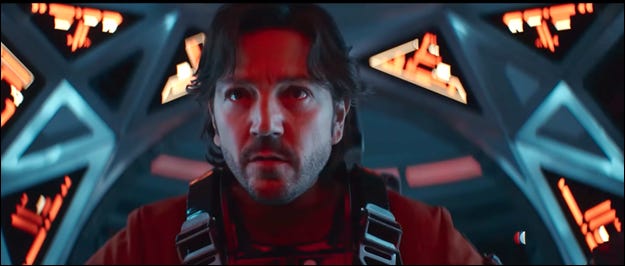
Unforgettable Monologues: The Cost of Rebellion
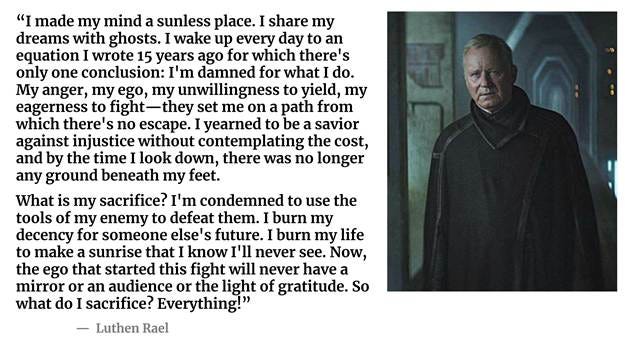
Andor depicts the profound sacrifices rebels must make to fight authoritarianism. The show is uncompromising in showing how the rebels must make difficult compromises. Unlike typical the Star Wars black-and-white moral simplicity, in Andor, most characters are shaded in gray. Luthen Rael (Stellan Skarsgård) is a prime example, an essential figure in the rebellion who has a ruthlessness almost as extreme as the Empire’s.
Among the many highlights of Andor are its stirring monologues. Characters launch into eloquent speeches about rebellion that never feel forced. Here’s a quote from Luthen’s monologue, where he explains his philosophy and tactics:
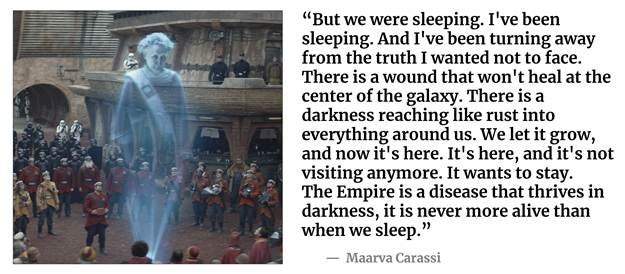
At the end of the first season, Maarva Carassi delivers a stirring speech about rebellion:
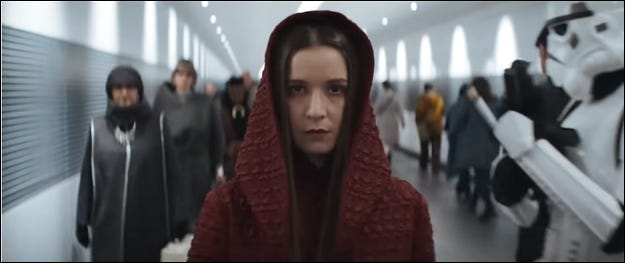
Throughout the show, the rebels are pushed to their limits and beyond. Fighting authoritarianism is hard, brutal, and tiring. It is often thankless. There aren’t many moments like the award ceremony in Star Wars. There is rarely time for glory.
Andor shows us how painful fighting authoritarianism is, and it’s a lesson to avoid allowing our society to descend into the clutches of authoritarianism. Wrenching back freedom is not fun and cheers, but a parade of pain and loss.
The Horrors and Hollowness of Authoritarianism
One of the biggest lessons of the twentieth century was the horror of authoritarianism. And so it’s no surprise that many of the dystopian fiction involves authoritarian regimes. Sadly, the lessons of the previous century and all these fictional works haven’t been learned, and we’re seeing deja vu all over again.
The show captures the constant peril of living in a world of surveillance, where many rebels must live dual lives, one in the light and the other in the shadows.
In a deeply affecting way, the show captures the massacres and heartbreak the Empire inflict. The original Star Wars occasionally depicted the terror, such as the scene with the charred skeletal remains of Luke’s uncle and aunt. Andor carries this intensity throughout the series.
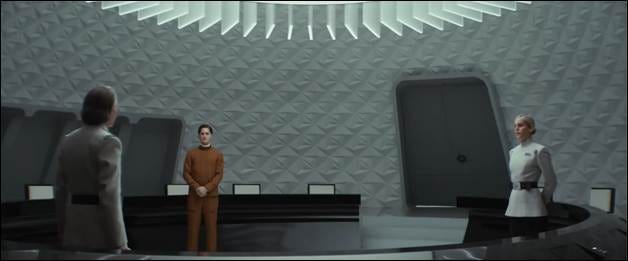
Andor exposes the hollowness at the core of authoritarianism. The show brilliantly visualizes the emptiness of the Empire in scene after scene, where the individuals are almost irrelevant objects in sterile settings.

Technology, Evil, and Indifference to Evil
Technology isn’t the cause of the Empire’s evilness, which emanates mainly from the almost limitless evil of Emperor Palpatine. But technology is a key tool, and the show focuses on developing the tech behind the Death Star.
Many people find their way into the orbit of authoritarian regimes. Countless people serve the Empire thoughtlessly, just because it’s a job. I’ve always been struck by how so many people are pathological in this way—people who worked for the Nazis not because they believed in the sinister ideology but because they were just focused on personal advancement or didn’t care.
As Hannah Arendt wrote about German Nazi leader Adolf Eichmann:
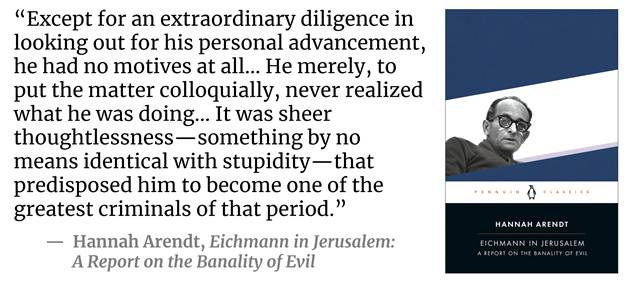
In The Life of the Mind, Arendt observed: “The sad truth is that most evil is done by people who never make up their minds to be good or evil.”
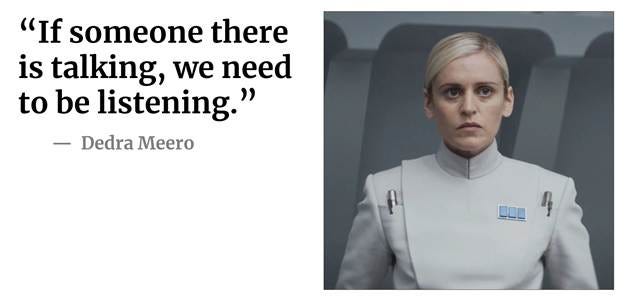
Dedra Meero (Denise Gough) is a particularly interesting character because she is neither an ideologue nor banal. She fervently wants to be successful. She often is so zealous that she goes rogue and is a terrible team player. But she’s not motivated by a love of the Empire. It’s a personal obsessiveness. Had things happened differently, she might have been a rebel.
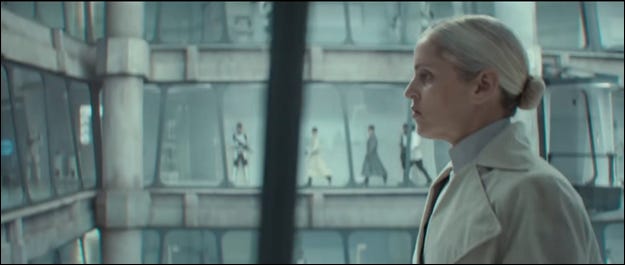
Dedra reminds me of many tech leaders who fervently pursue the growth of their companies regardless of the harms to individuals and society. I don’t think they’re evil. Dedra isn’t evil. She’s just extremely driven and also indifferent.
Contrast her to her companion, Syril Karn (Kyle Soller), who also works for the Empire. He has principles. He thinks the Empire is doing good; he works to further ends he believes in. But for Dedra, the specific ends don’t matter, just that she achieves them. Winning is the goal; what she’s fighting for is irrelevant.
Not all tech leaders think this way. Many have ideologies. But many just want to win, and they’re ruthlessly competitive, which often makes them successful, but at a great cost. They should be playing video games, not running companies that can affect humanity.
Authoritarianism Doesn’t Love You Back
SPOILER ALERT: Skip this section if you want to avoid vague spoilers.
The show depicts the sad fates of many of the people who worked for the Empire. They sacrifice their humanity only to be killed, jailed, and otherwise discarded when they are no longer useful to the Empire.
It surprises me that people never learn this lesson. Often, there are so many volunteers to help an authoritarian regime, but these eager beavers fail to realize that the regime doesn’t love them back. They are seen as mere means because authoritarianism sees everything as a means—either to achieve particular ideological ends or just to exercise raw power, for its own sake. Authoritarians don’t care about individuals.
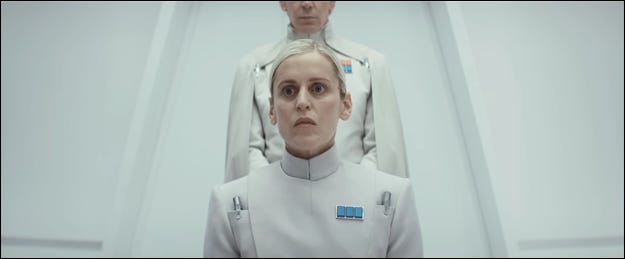
Dedra aggressively works to advance the Empire but eventually realizes, to her horror, that the Empire cares nothing about her. Many other characters suffer this fate.
The Birth and Growth of Authoritarian Regimes
Andor superbly chronicles how the Empire expanded its power. Part of involved pursuing the most advanced technology. But another part involved lies and manipulation and gaslighting. Andor also depicts the many instances of cowardice and capitulation that allow regimes like the Empire to lengthen their tentacles of power.
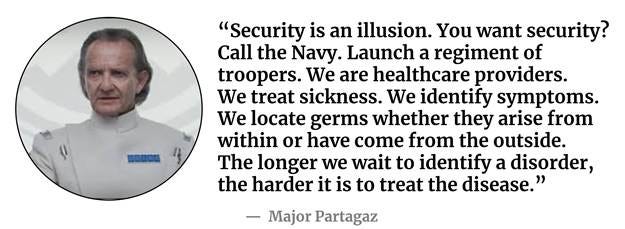
As Jemar Tisby aptly observes:
[Andor is] about how authoritarianism creeps in quietly—through bureaucracy, surveillance, fear, and a thousand small compromises. It’s about the slow corrosion of freedom and the moral cost of resistance. And in that way, it feels less like fiction and more like a mirror.
Andor speaks to our times. It turns the Star Wars universe into a dystopian work like Orwell’s Nineteen Eighty-Four. Set aside the Force, light sabers, storm troopers who can’t aim well and who wear clunky armor that doesn’t protect them. Forget about costumed villains and funky aliens. At its core, Star Wars is about authoritarianism. Although George Lucas’s imagination was brilliant, expansive, and wonderfully weird, it overshadowed serious lessons he was conveying. Beneath all the pizazz, Star Wars was a dystopic movie.
Andor gets this. It has much to teach us about the world we’re living in today. Senator Mon Mothma’s speech is one that resonates with the world we’re in now, a world where truth is under assault and is losing the battle.
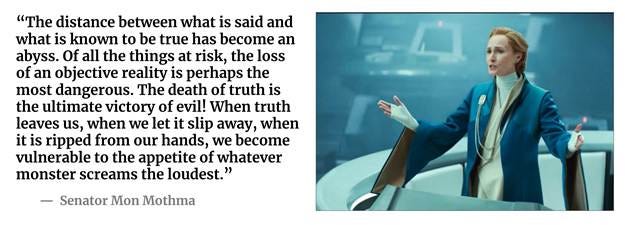
As an aside, it’s incredibly impressive that Genevieve O’Reilly played Mon Mothma in the original Star Wars in 1977; then more than 40 years later, she played a younger version of herself in Andor.
Related Post: For more about dystopia, see my post, Orwell vs. Huxley: Which Dystopia Was More Prescient?
The Weakness and Demise of Authoritarian Regimes
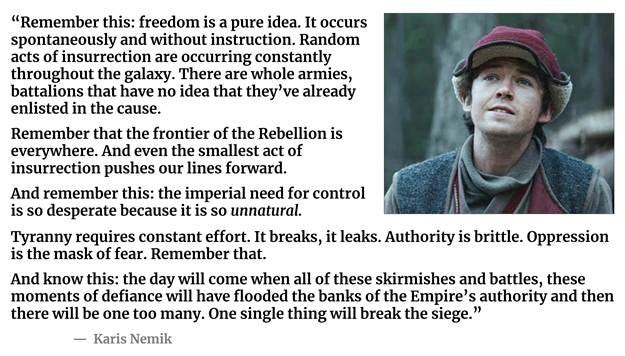
The weakness of authoritarian regimes is bureaucracy. They must suppress individuality because it’s the greatest threat to the regime, but to do this, there must be a heavy component of bureaucracy. And it’s this stultifying bureaucracy—rigid processes, mechanical thinking, failure to recognize individual insight—that opens up gaps and cracks where opportunities arise for the rebels to overthrow the system.

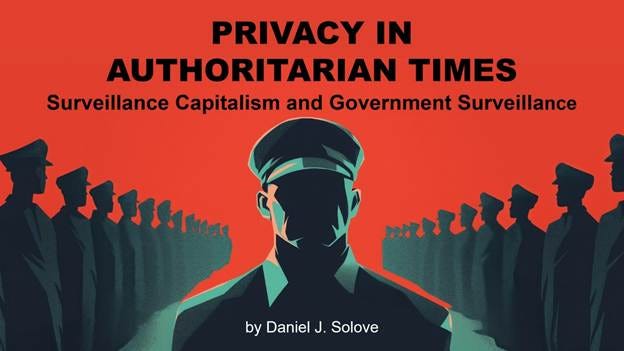
A quick plug for my recent article, Privacy in Authoritarian Times: Surveillance Capitalism and Government Surveillance, 67 B.C. L. Rev. 51 (2026), where I discuss the problems with authoritarian regimes and how they threaten privacy. You can download my article for free here.
The Artistry of Andor
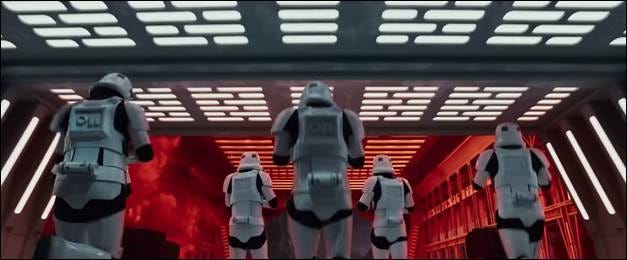
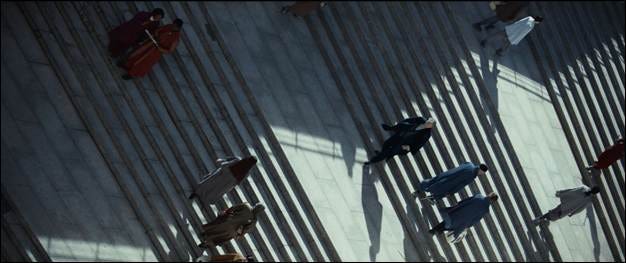
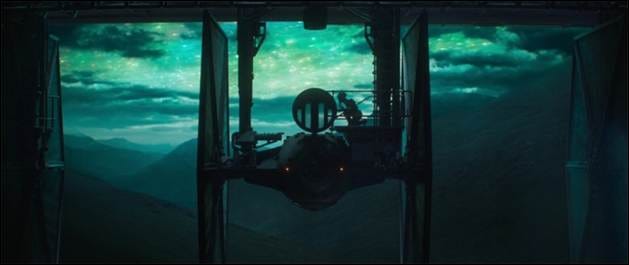
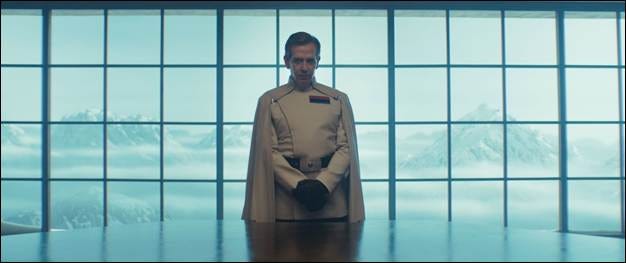
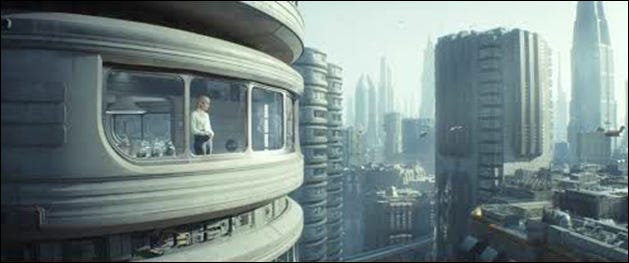
The cinematography of this show is magnificent and worth noting. The visual composition of each scene is meticulously crafted. There are countless shots of beautiful symmetry, a kind of fusion between Wes Anderson and Kubric’s 2001: A Space Odyssey. Everything about this show is a work of art. Here are just a few scenes as examples.
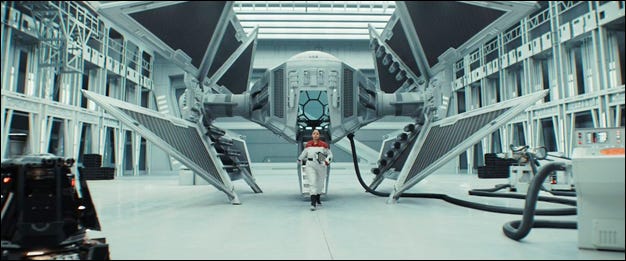
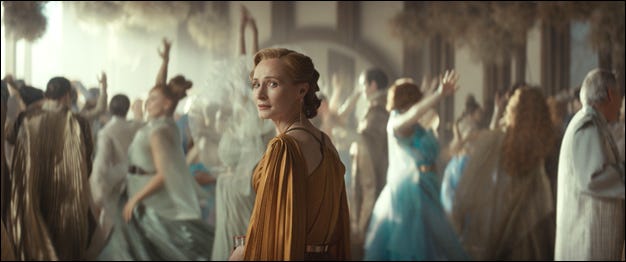
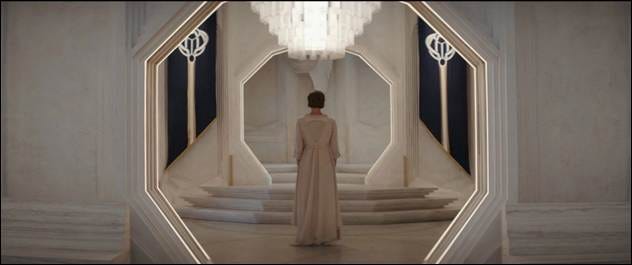
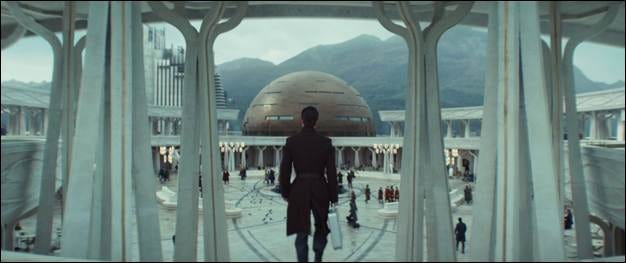
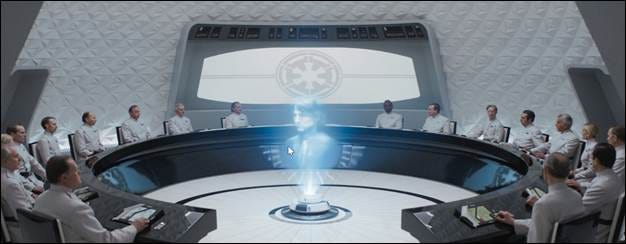
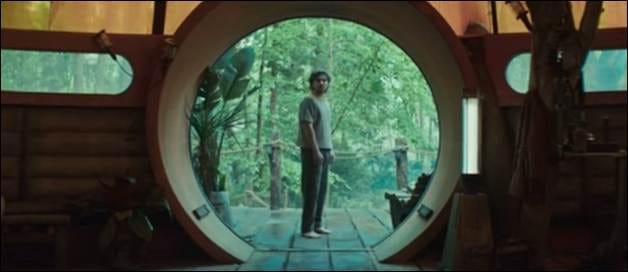
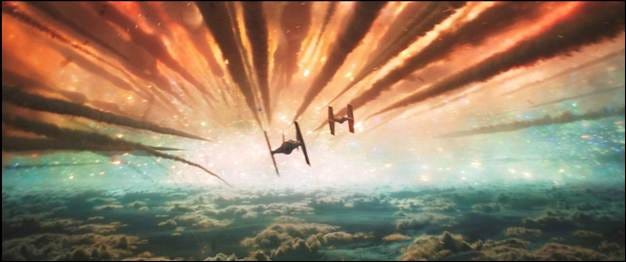
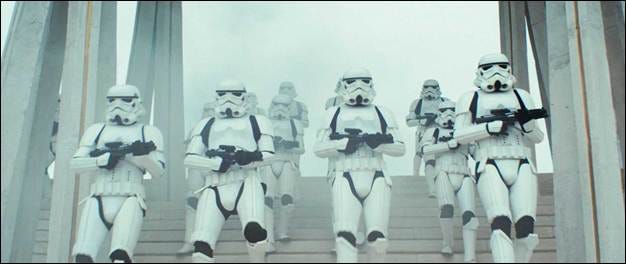
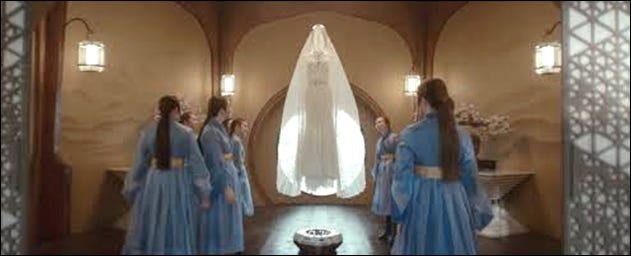
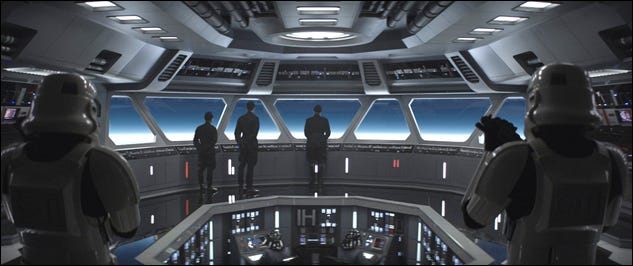
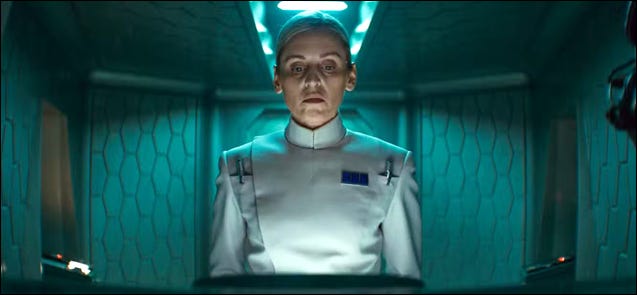
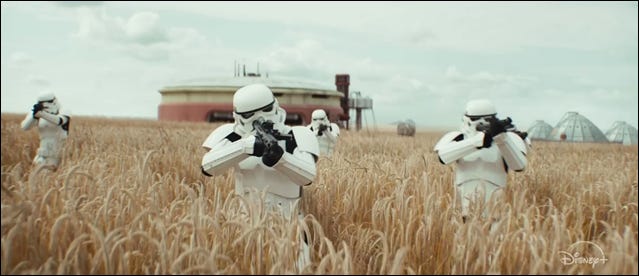
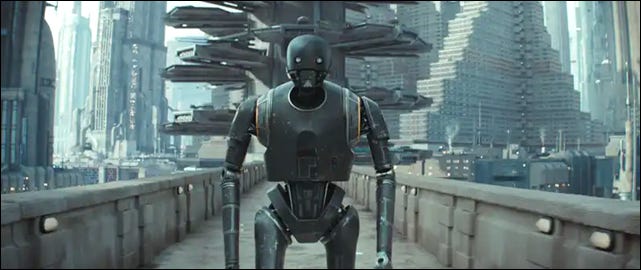
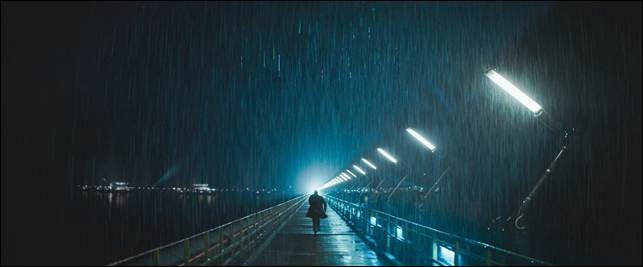
If you haven’t watched Andor, I hope you check it out. It’s well worth your time. Not only is it highly entertaining, but it has true depth and artistry.
* * * *
Professor Daniel J. Solove is a law professor at George Washington University Law School. Through his company, TeachPrivacy, he has created the largest library of computer-based privacy and data security training, with more than 180 courses.

Subscribe to Solove’s Free Substack
A supplement to Solove’s regular newsletter with more in-depth discussions