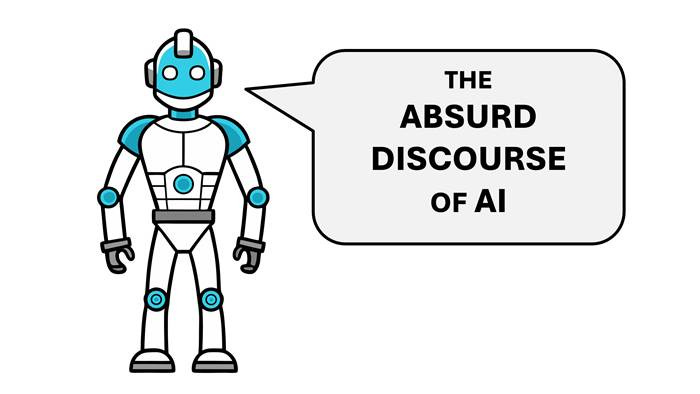
Here are some darkly satirical snippets of discourse about AI, though these days the distinction between reality and satire has almost completely dissolved.



Here are some darkly satirical snippets of discourse about AI, though these days the distinction between reality and satire has almost completely dissolved.


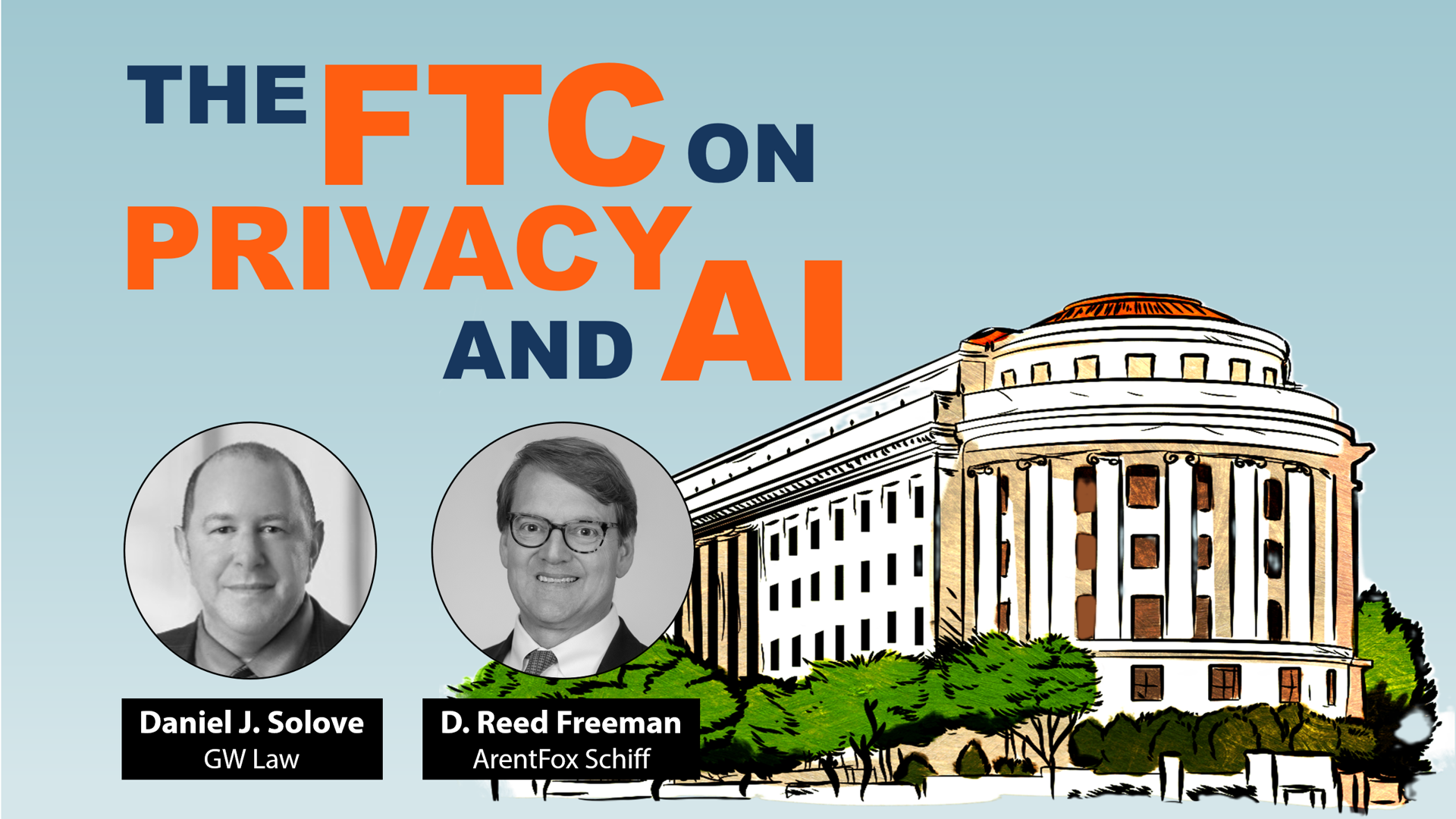
Watch Daniel Solove’s discussion with D. Reed Freeman (ArentFox Schiff) about the FTC’s current enforcement actions and future direction.

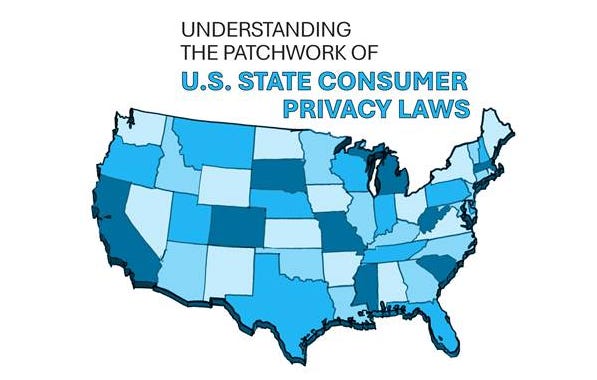
Starting in 2018, U.S. states began to enact broad consumer privacy laws. California was the first with the California Consumer Privacy Act (CCPA). By 2026, nearly half the states had enacted similar laws.
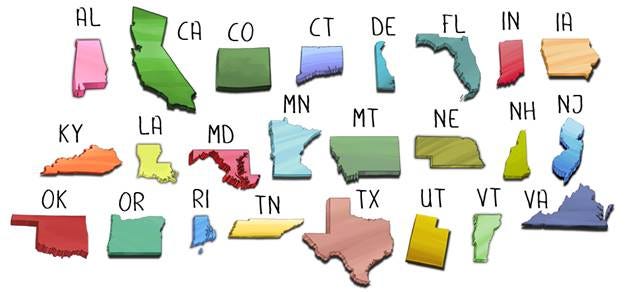
At first, the laws can seem like a daunting patchwork, but below, I’ll provide you with a primer that can help you understand them.
Many are structured similarly and take similar approaches. They have differences, but there are more commonalities than divergences.
I’ve curated a list of recent works on privacy, AI, and tech that will be worth your time checking out.
Authors included:
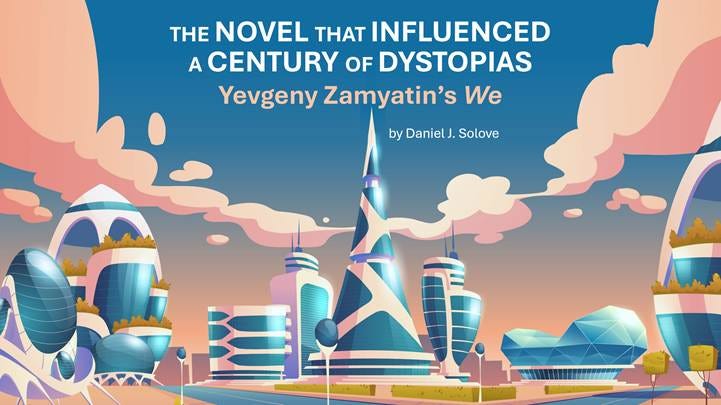
In 1924, Yevgeny Zamyatin wrote a dystopian novel called We, which influenced countless dystopian authors, especially George Orwell’s Nineteen Eighty-Four. Zamyatin (1884-1937), a Russian author, was a popular figure in Russian society until the Soviet Revolution. He was increasingly pushed out of the literary scene before writing We.
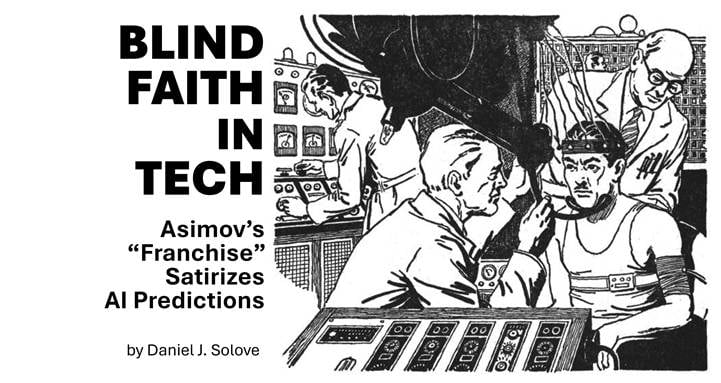
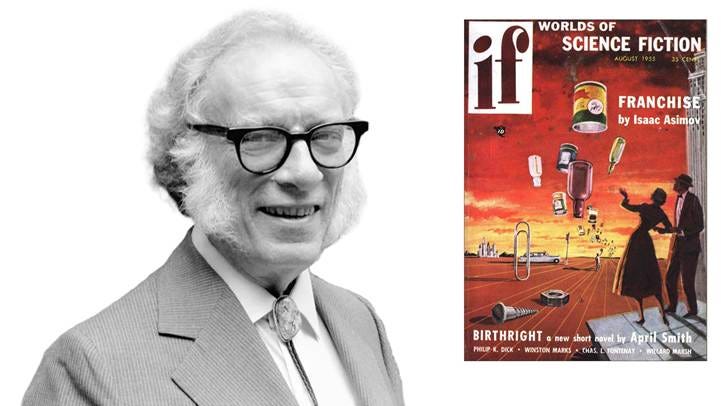
Isaac Asimov’s satirical short story “Franchise” is highly relevant for today. The story was published in 1955 in the magazine If: World of Science Fiction.
The story depicts the absurdity of algorithmic predictions. A machine decides elections based on one voter to predict the results of the entire election.
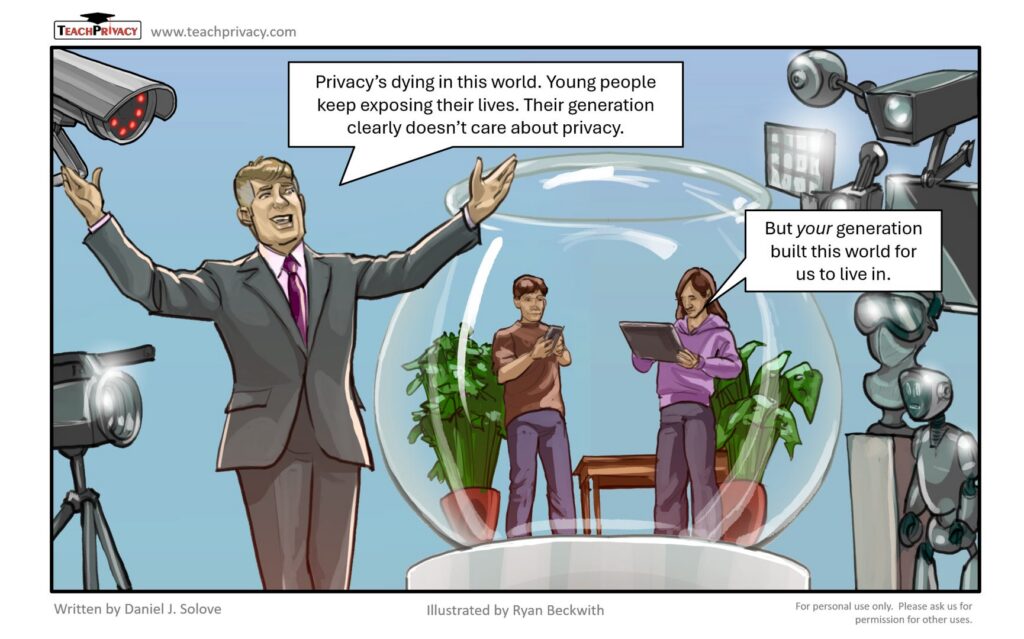
I created this cartoon because I often hear older people scoff at how younger people don’t care about privacy because they’re exposing so much of their lives. But I find these sentiments to be chutzpah because young people are exposing their lives due to the way technology is nudging, pushing, cajoling, manipulating, coercing, and outright forcing them to do so. Older generations have built the world the younger ones are growing up in, and so they are responsible for the lack of privacy younger generations are experiencing.
When they decry how younger generations are surrendering their privacy, older generations are just blaming the victims. Younger people aren’t willingly giving up their privacy—they’re living in a world where having privacy is increasingly difficult and often impossible.
More than a decade ago, I wrote a post about young people’s views about privacy. I think it still holds up today, and I’m posting it below with just a few minor tweaks.
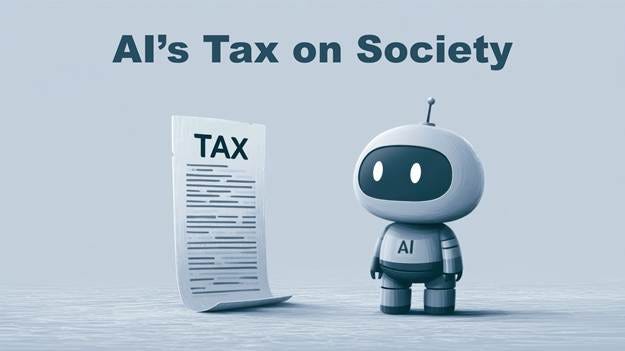
There is recent talk about taxing AI, which is probably a non-starter with policymakers adverse to doing anything to stand in the way of tech companies. But the tax idea isn’t totally crazy because AI these days is, for all practical purposes, a major tax on society.
Although AI has many beneficial uses, it remains unclear whether AI would be viable in the market if it weren’t artificially propped up by constant cash infusions by big gambler investors and by evading costs by sloughing them off on everyone else.
Unlike other technologies such as search, AI is tremendously expensive. There are many uses of AI that might not be sustainable in the market without venture capitalists pumping in massive investments. AI companies are shoving their AI in our faces at every turn, throwing it up against the wall in a frantic effort and hope that something sticks.
There certainly will be uses of AI that will provide more benefit than cost, but it’s hard to figure that out when there’s so much distortion of the market. Normally, the market would work as a mechanism of survival of the fittest, weeding out business models that don’t really work. But AI is growing today not because it is fit for survival; it’s being propped up.
AI imposes tremendous costs which operate as a tax on society. These are costs that AI companies are externalizing on all of us. Examples include:
I’ve curated a list of recent works on privacy, AI, and tech that will be worth your time checking out. Authors included:
Published posthumously, Italo Calvino’s Numbers in the Dark (2002) is a provocative collection of stories written between 1943 and 1984 that explores the effects of digital technologies and data.
